In the planning and construction of grain storage facilities, thermal insulation, ventilation, and monitoring have traditionally been treated as separate subsystems—designed, procured, and installed independently. While this "fragmented" approach may have sufficed in the past, the increasingly stringent requirements for grain storage safety and the rapid adoption of intelligent management systems have led to a growing realization: these components must be integrated into a unified design to achieve maximum synergistic efficiency. This is not merely a matter of stacking technologies; it represents a fundamental rethinking of the grain storage ecosystem. Grain storage involves a complex interplay of factors—including temperature, humidity, atmospheric composition, and biological activity—that are deeply interconnected. Relying on isolated, independent systems is simply inadequate for addressing such systemic challenges.
Temperature and Humidity: The Core Challenge in Grain Storage
To understand the necessity of an integrated design, one must first grasp the central challenge in grain storage: the balance between temperature and humidity. Both are critical factors affecting the quality of stored grain. Lower storage temperatures and reduced moisture content can significantly extend the safe storage period, whereas higher temperatures can drastically shorten it. Ideally, storage conditions should maintain low temperatures and keep moisture content within safe thresholds. However, an inherent conflict exists between controlling temperature and managing humidity. While ventilation is the primary method for lowering temperature, improper ventilation can introduce moisture, thereby increasing the risk of mold growth. Consequently, modern grain storage systems increasingly rely on the coordination of automated controls and real-time monitoring to ensure that ventilation is applied at precisely the right moments.
The Value of Thermal Insulation: Mitigating Environmental Fluctuations at the Source
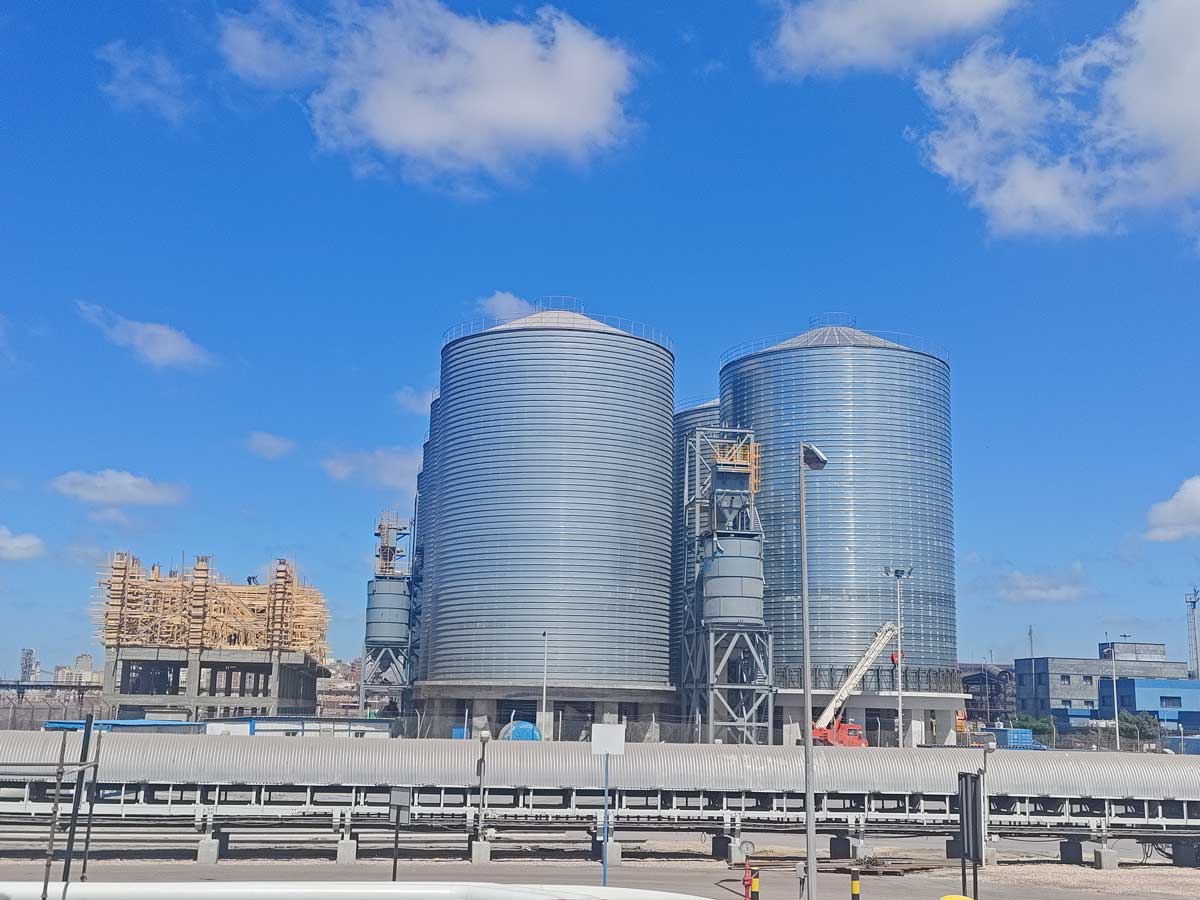
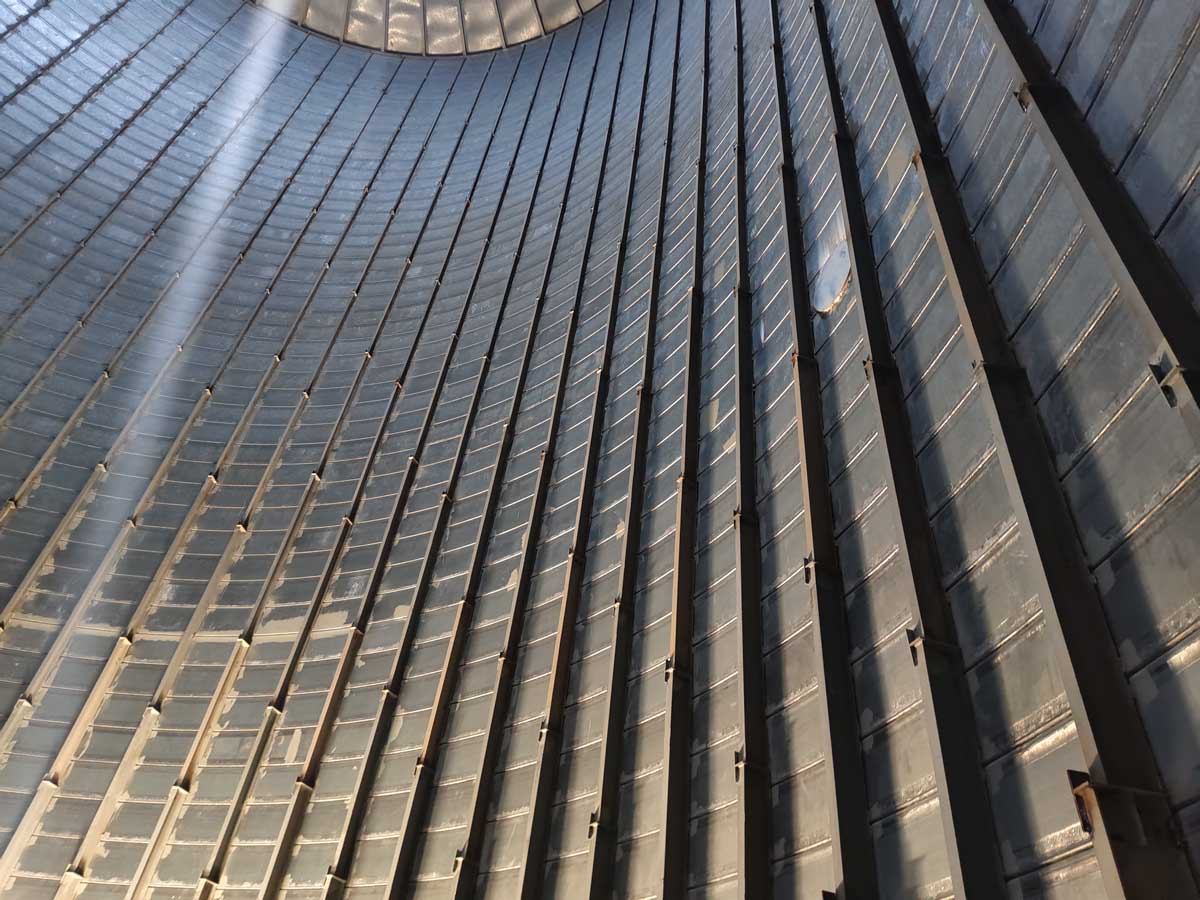
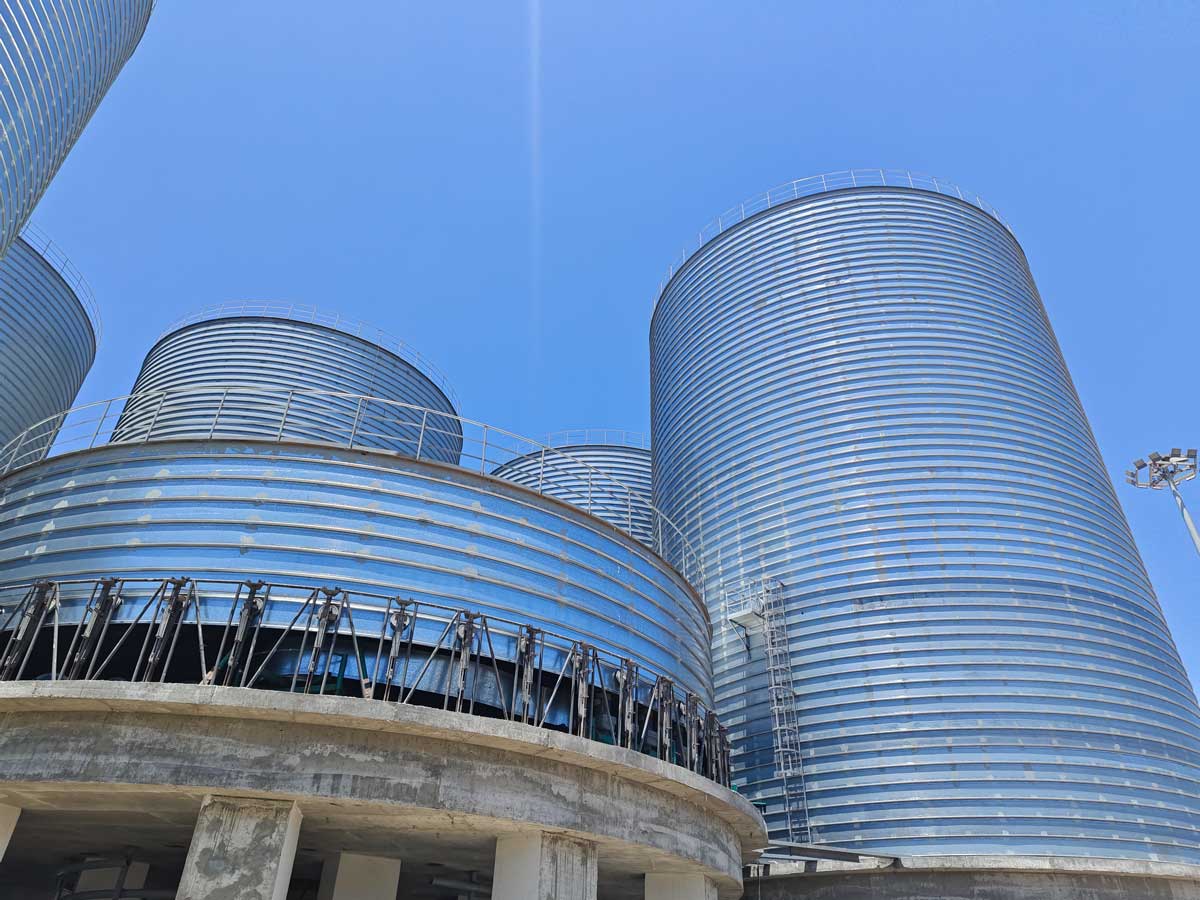
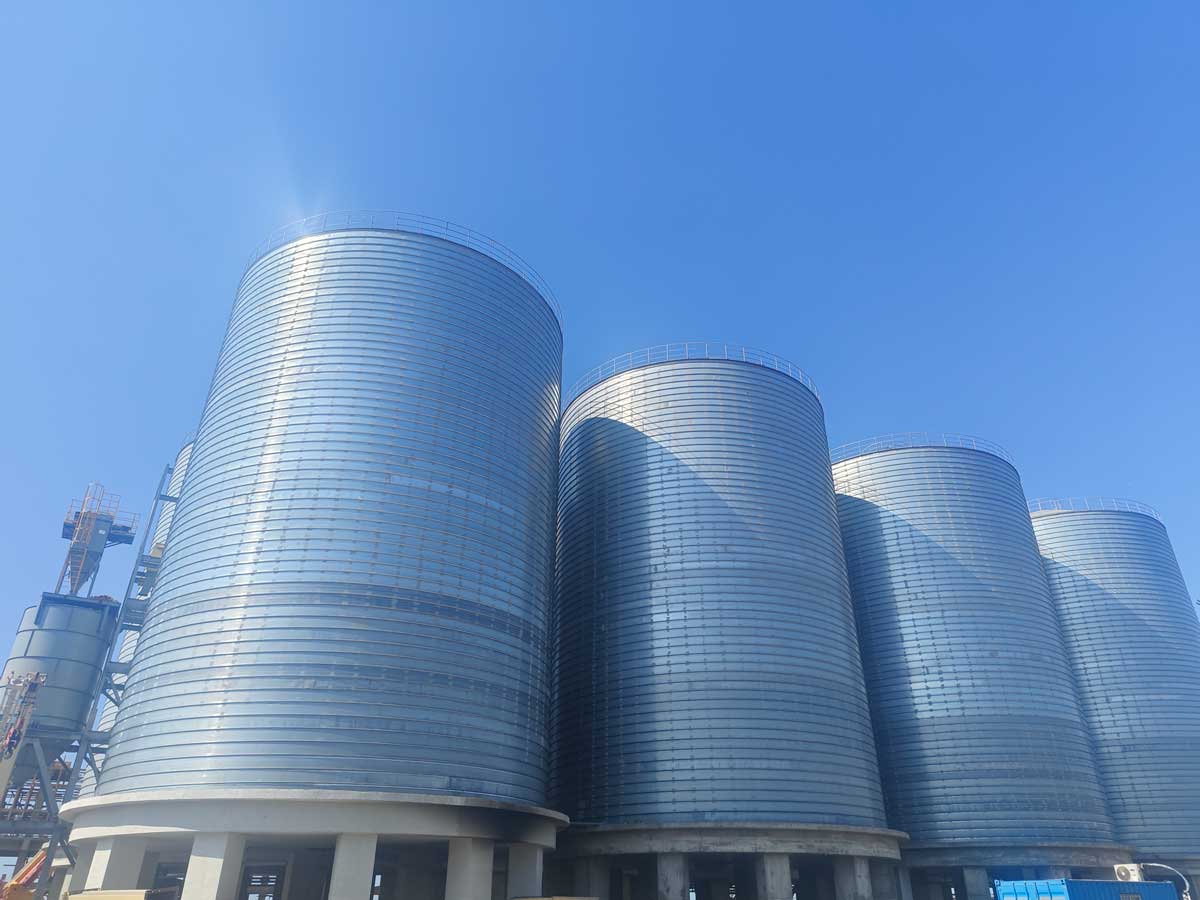
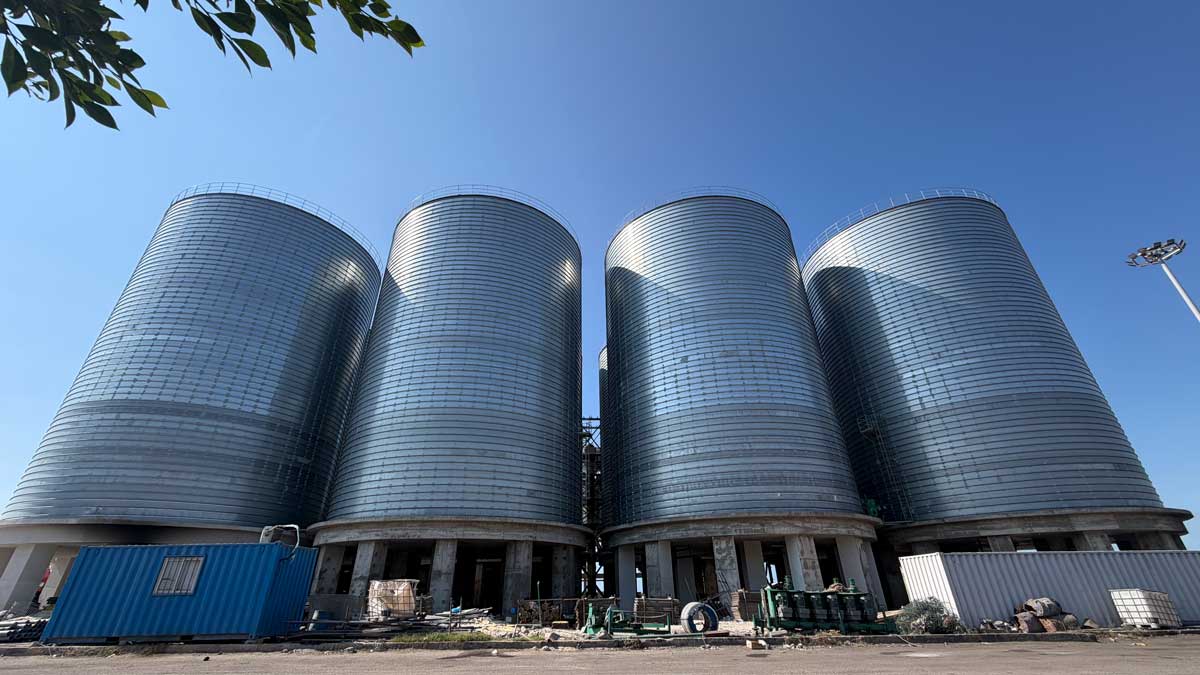
The value of thermally insulated steel silos lies not merely in heat insulation, but in mitigating environmental fluctuations within the silo at the source. Because steel—the material used for these silos—has high thermal conductivity, the temperature of the silo walls can shift drastically in regions with intense sunlight or significant diurnal temperature variations. Grain stored near these walls may lose moisture due to high temperatures; subsequently, as temperatures drop at night, this moisture can condense into dew, leading to mold growth. Incorporating a thermal insulation layer effectively narrows the temperature differential between the interior and exterior of the silo, thereby reducing the occurrence of condensation, material caking, and spoilage. The core benefit of thermal insulation design is that it buffers the internal environment against external conditions, providing a more stable operational foundation for ventilation and monitoring systems. Without adequate insulation, ventilation systems must be activated more frequently to counteract temperature fluctuations—a process that not only increases energy consumption but also complicates system control.
The Challenge of Aeration: Why Timing Matters More Than the Act Itself
Mechanical aeration systems are the core equipment for environmental control in grain silos. These systems typically consist of components such as roof-mounted fans, floor-mounted fans, vents, and air ducts. However, the true challenge of aeration lies not in whether it is possible to aerate, but in “when” to do so. Deciding when to aerate requires a comprehensive evaluation of several factors: ambient temperature, grain mass temperature, humidity profiles, dew point differentials, biological thresholds (for pest and mold control), and energy consumption. Consequently, without precise monitoring data, an aeration system cannot make informed decisions. To determine whether aeration is appropriate—and to calculate the optimal duration and airflow rate—the system must have real-time access to temperature and humidity data both inside and outside the silo. Fans should only be activated for cooling when the average temperature of the grain mass exceeds the ambient outdoor temperature by at least 8°C (or 6°C in subtropical southern regions). The absolute humidity of the outdoor air must be lower than the equilibrium absolute humidity of the grain at its current temperature (to prevent moisture absorption). Outdoor relative humidity is generally recommended to be ≤70%–75%; aeration should preferably be avoided when RH exceeds 75%. Aeration should be stopped when the difference between the grain temperature and the ambient temperature is 4°C or less (3°C or less in southern regions), or when the temperature gradient within the grain mass is 1°C/m or less. Aeration is best performed during the afternoon (when humidity is typically at its lowest) and should be approached with caution at night. Nighttime conditions often feature a high dew point, which can easily lead to moisture absorption, condensation, and grain spoilage.
The Role of Monitoring: From Data Acquisition to Decision Support
A grain condition monitoring system serves as the "nervous system" of a grain silo. By installing temperature-sensing cables and temperature-humidity sensors throughout the grain mass, the system can capture real-time data on temperature and humidity at various points within the stored grain. However, the value of monitoring extends far beyond mere data collection. Modern intelligent ventilation systems utilize data from sensors—both inside and outside the silo—to automatically and remotely control equipment such as fans. This enables targeted ventilation for heat exhaust, cooling, and moisture reduction, effectively lowering both energy consumption and operational costs. The monitoring system provides the data foundation for ventilation decisions, while the outcomes of these ventilation efforts, in turn, validate the accuracy of the monitoring system. This interdependent relationship necessitates that monitoring and ventilation be considered in an integrated manner as early as the design phase.
The Core Logic of Integrated Design: Synergy Drives Efficiency
Once the respective functions of thermal insulation, ventilation, and monitoring—as well as their interrelationships—are understood, the necessity of an integrated design becomes clear. First, data sharing is a prerequisite for precise control. Performance parameters from the thermal insulation system, operational status from the ventilation system, and real-time data from the monitoring system must be consolidated onto a unified platform. An intelligent environmental monitoring system, equipped with integrated sensors for temperature, humidity, and gas concentrations, tracks conditions within the steel silo in real time and automatically adjusts equipment—such as ventilation or dehumidification units—based on preset criteria. Such automated adjustment relies entirely on seamless data exchange between these systems. Second, control strategies require system-level optimization. Determining the optimal timing for ventilation is a high-dimensional dynamic optimization problem. If thermal insulation, ventilation, and monitoring operate in isolation, achieving system-wide optimization is impossible. An integrated design incorporates thermal insulation performance, ventilation capacity, and monitoring precision into a single control model, striking an optimal balance between energy consumption and storage quality. Third, incident response requires coordinated action. When the monitoring system detects an anomaly, the ventilation system must respond promptly, often in coordination with adjustments from the thermal insulation system. A system with robust safety-alert capabilities can trigger immediate alarms and automatically execute emergency protocols upon detecting irregularities. This level of coordinated response is only achievable through an integrated system design.
Industry Trend: From Individual Equipment to System Solutions
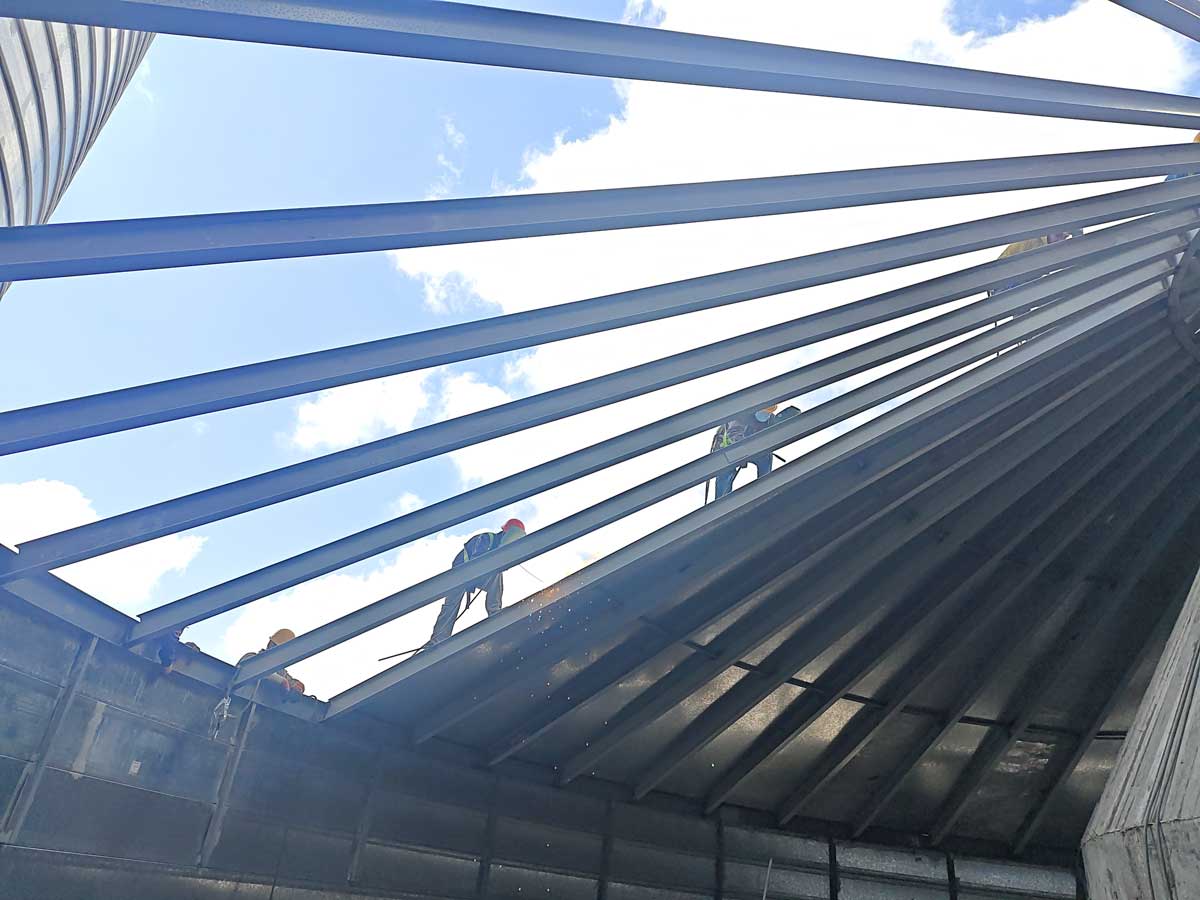
In terms of industry development, grain storage technology is shifting from the supply of individual pieces of equipment toward comprehensive system solutions. Modern modular steel silo systems now encompass a complete suite of components, including roof cones, roof panels, wind-resistance rings, vents, corrugated wall sheets, vertical stiffeners, grain condition monitoring systems, intelligent ventilation systems, and grain cooling systems. This systematic product design inherently embodies an integrated approach. Technologically, the integration of IoT sensing, reduced-order simulation and prediction, and AI-based control offers an effective pathway for grain silo ventilation—enhancing storage efficiency, preserving grain quality, and minimizing unnecessary energy consumption. Through intelligent monitoring and coordinated control, energy usage can be significantly reduced while the stability of storage conditions is improved. These technological advancements all point in the same direction: environmental control in grain silos is evolving from "single-point optimization" toward "system-wide synergy." Thermal insulation serves as the foundation, ventilation acts as the mechanism, and monitoring functions as the "eyes." Only when these three elements work in concert can a robust, comprehensive grain safety system be established. Thermal insulation mitigates external environmental interference, creating a stable operating environment for ventilation and monitoring; monitoring provides precise data, ensuring that ventilation decisions are evidence-based; and ventilation executes environmental adjustments while simultaneously verifying the accuracy of the monitoring data. These three components are interdependent and mutually supportive; the absence of any one element compromises the overall effectiveness of the system.
For those who plan and construct grain storage facilities, an integrated design approach represents not merely a technical choice, but a manifestation of systems thinking. In an era defined by increasingly stringent grain safety requirements and the rapid adoption of intelligent management systems, opting for an integrated grain storage solution means securing a more reliable guarantee for the safety of stored grain.